
The Body Keeps the Score: Why Experience Is Already Theological

Holy Saturday / Easter Vigil Reflection
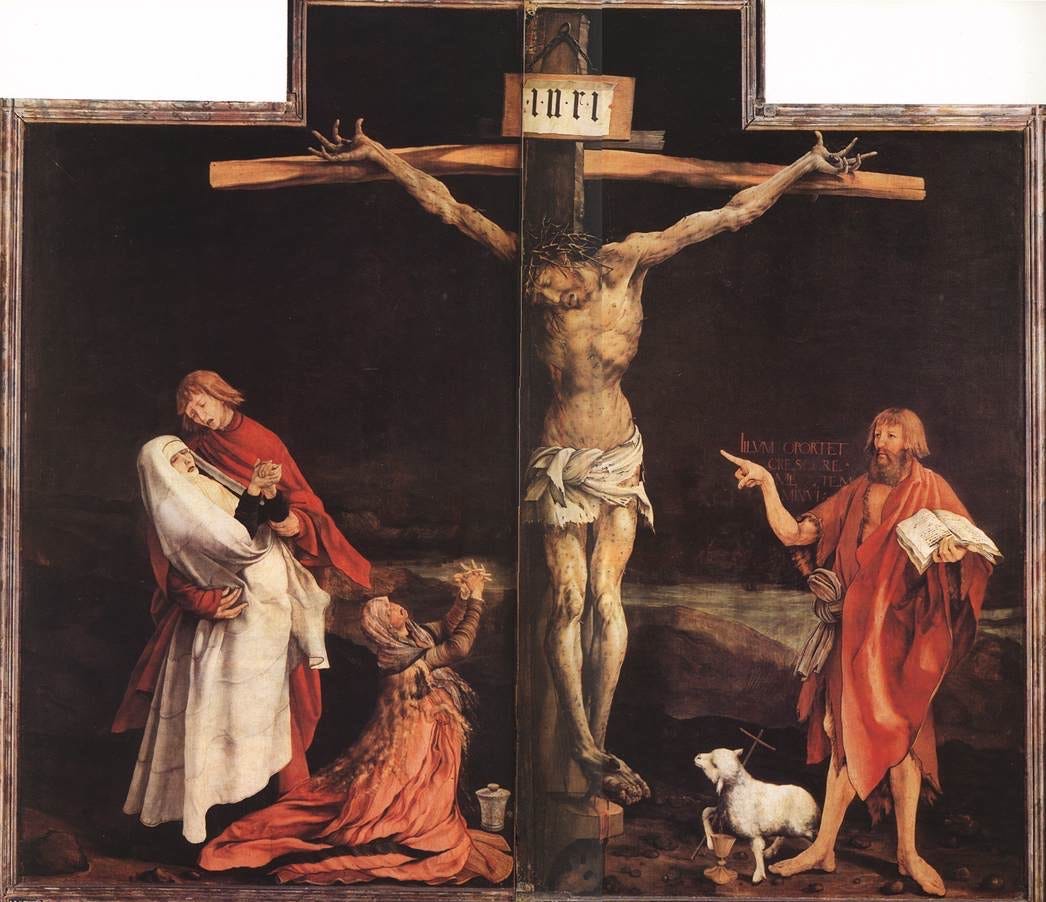
We have heard the phrase, many times now—the body keeps the score. It has become part of our secular gospel, part neuroscience, part trauma theory, part wisdom. And it’s not wrong. The body doeskeep the score—of pain, of memory, of violence, of loss. But what if the body also keeps something more?
What if the body keeps the score of grace?
Not in the sense of tallying merits or demerits. But in the sense of bearing traces—not only of harm, but of healing. Of having been touched by God, or being still in the process of being reconstituted by Him. What if our very experience—our flesh, our desire, our grief, our attention—is already theologicalbefore it is named as such?
To say that human experience is already theological is to claim that human beings live, move, and suffer in a world that is always already saturated with meaning, with transcendence, with a structure that is not merely biological, psychological, or social—but ultimately ordered toward God. It is to say that our very way of being is marked by longing, receptivity, dependence, wonder, suffering, and hope—in short, by a metaphysical and spiritual openness to something beyond ourselves.
“Human experience is theological not because it is always overtly religious, but because it carries the trace of God—the impress of divine relation.”
This is what Emmanuel Falque insists upon. Theology does not come after experience, as a metaphysical appendix. It is already in the cry, in the ache, in the limit-experience that forces us to ask: Who am I? What is this life for? Where is love?
Theology begins not in abstraction but in the event—in birth, in suffering, in death, in the longing for resurrection.
This is why analogy matters. The analogical imagination does not impose unity; it discerns relation. It does not collapse difference; it reveals participation. And it always begins in media res—in the middle of the road, the hallway, the hospital room, the newsfeed. It is always metaxological: between street corners and mountain paths, between code and silence, between tears and eucharist.
To say that the body keeps the score of grace is to say: your suffering is not just a medical data point. Your longing is not just evolutionary detritus. Your attention is not merely monetizable. You are a liturgical being. The world is sacramental. Your experience is already theological.
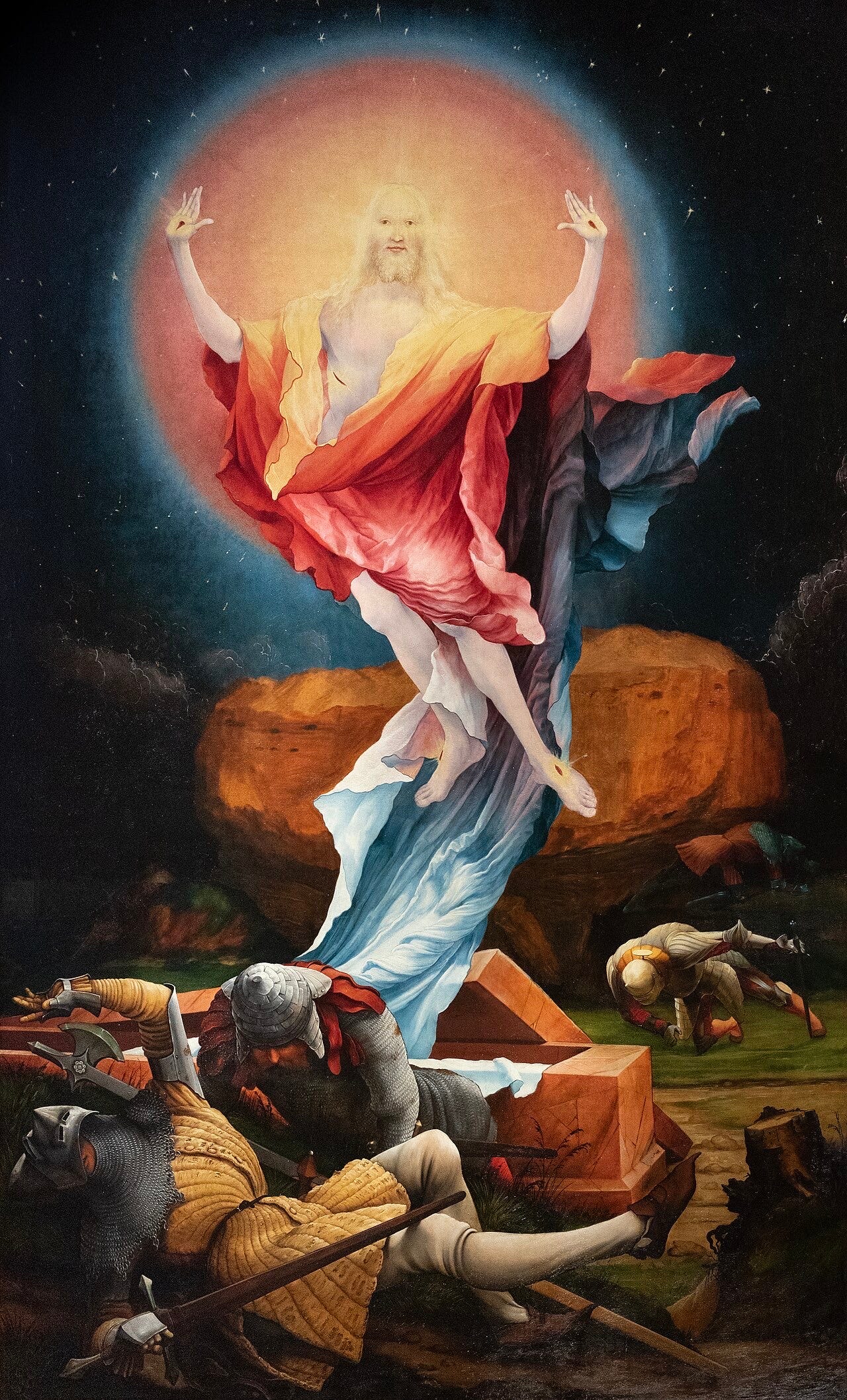
And on this Holy Saturday, as we stand at the edge of the tomb, between descent and resurrection, we are reminded: the marks of the nails remain in the risen body.
The body keeps the wounds.
The body keeps the glory.
The body keeps the grace.
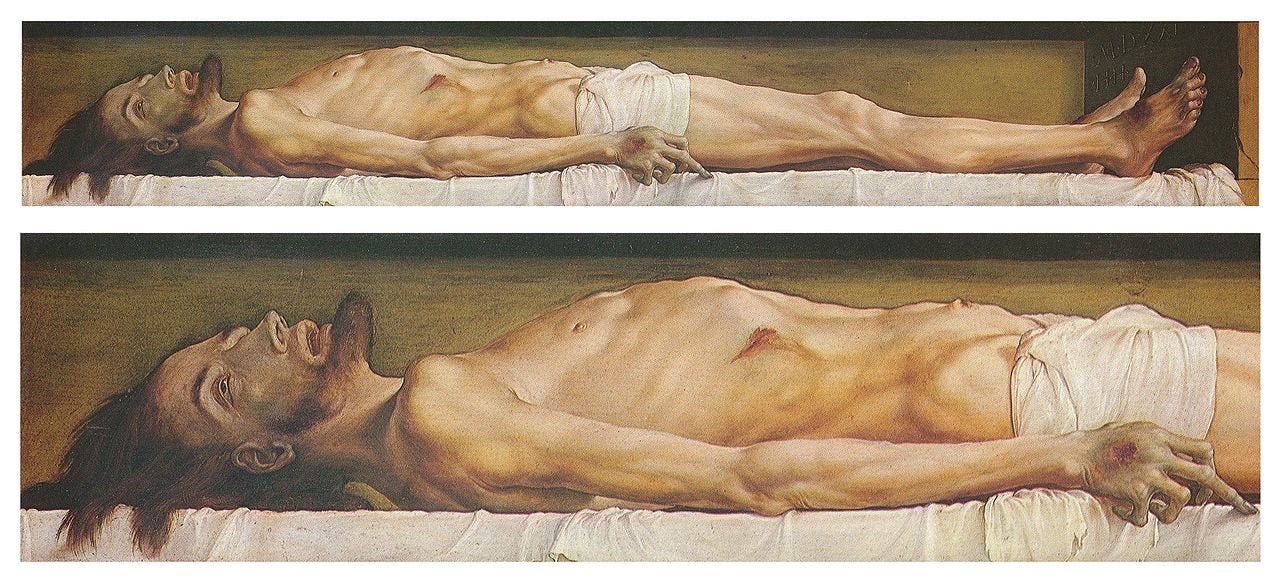
Let that be our gospel this Easter.
The Word became flesh—and stayed flesh.
He is not an idea.
He is risen.
⸻
A Prayer for Easter Vigil
Lord Jesus Christ,
You entered into the fullness of our human condition,
Descending into death, and rising not in spirit only,
But in glorified flesh—bearing the wounds of love.
Teach us to read our lives not only as memory,
But as mystery.
Reveal to us in suffering, not the end of meaning,
But the mark of Your nearness.
Let our bodies, our longing, our losses,
Bear the score not only of grief,
But of grace.
May we, like You, rise—not from escape,
But from offering.
Let our wounds become doors,
And our desire become prayer.
You are not far.
You are risen.
And still You bear us in Your body.
Amen